Equipment & integration
Quadruped platform + optional cameras, thermal imaging or other sensors + task and data interfaces. Recognition, alerts and work-order integration require separate assessment.
CHINZY / EMBODIED INTELLIGENCE
Robots & robot dogs
From classrooms and exhibition stages to site inspections and industrial tasks. Choose equipment around the work it needs to do.

01 / SOLUTIONS IN THE REAL WORLD
Choose your use case to explore task design, equipment and implementation. Connect every purchase to a clear business objective.
Industrial parks, factories and facility maintenance teams
Define checkpoints and frequency for equipment appearance, gauges and passage conditions. Staff review recorded anomalies and track corrective actions to closure.
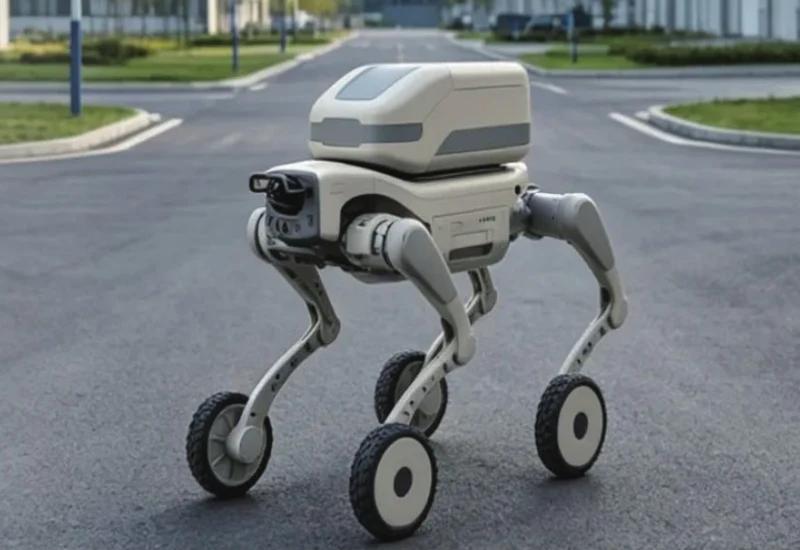
Quadruped platform + optional cameras, thermal imaging or other sensors + task and data interfaces. Recognition, alerts and work-order integration require separate assessment.
Repeat agreed routes to measure checkpoint coverage, valid capture rate, reviewed anomalies and duration per run. Record manual takeovers and missed detections.
Survey steps, slopes, surfaces, connectivity and charging locations first. Ingress protection is not explosion-proof certification; special areas need a dedicated review.
Corporate showrooms, visitor attractions, events and exhibitions
Plan greetings, exhibit narration, FAQs and stationary routines. Place interactions along visitor routes and provide human guidance during peak attendance.
Humanoid or interactive robot dog + brand scripts + choreography and on-site support. Voice, knowledge bases and multilingual interaction depend on version and licensing.
Check routines and narration against the script. Test answer quality with an agreed question set; record response times, interaction completion and operator takeovers.
Confirm clearance, flooring, noise, audience separation and charging. Rehearse before opening; follow equipment requirements for movement and contact.
University labs, vocational colleges and corporate R&D teams
Design staged experiments in motion control, perception and human–robot interaction. Define student, teacher and researcher permissions, with experiment logs and repeatable procedures.
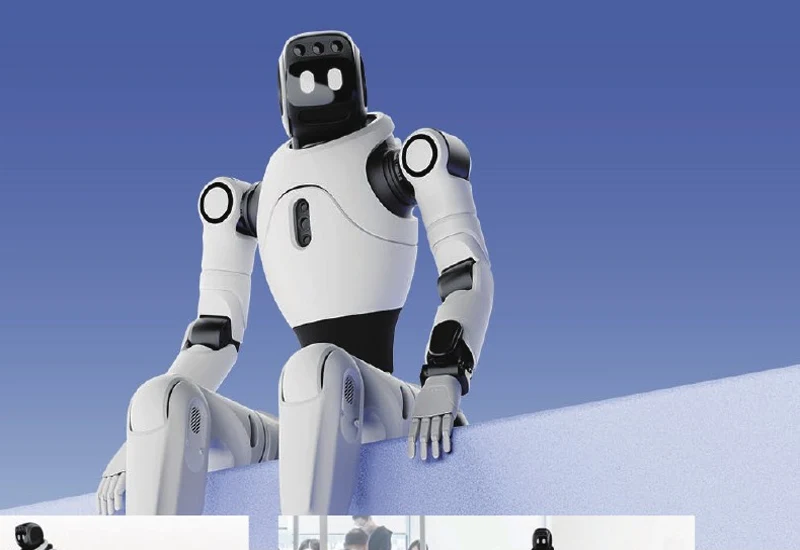
Education or developer hardware + verified SDK and documentation + lab exercises and training. Check licensing separately for simulation, source code and low-level control.
Use an agreed experiment checklist to verify setup, interface calls, data export and repeat runs. Deliver operating instructions, experiment records and training materials.
Confirm operating systems, languages, API permissions and shared equipment schedules. A programmable research platform does not imply ready-made algorithms.
Campus logistics, field maintenance and supply teams
Start with defined cargo such as tools or spare parts. Plan loading, travel along a specified route and manual unloading; validate one representative round trip first.
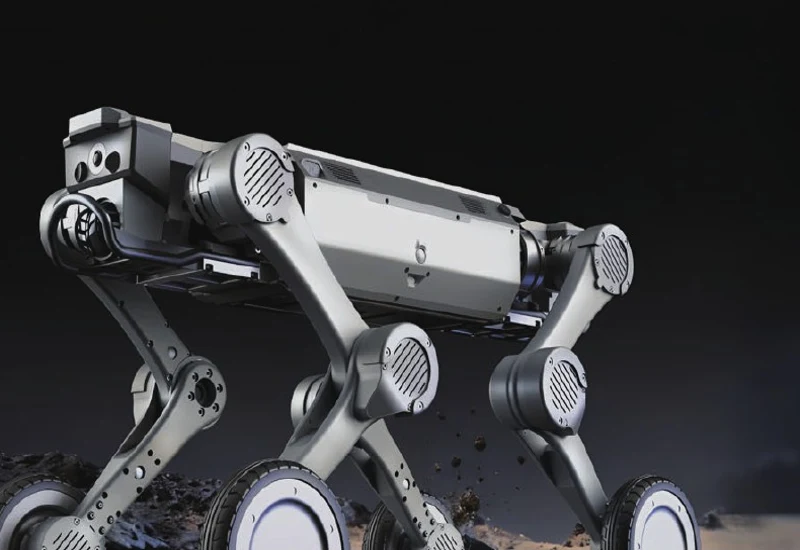
Load-carrying quadruped + suitable carrier and restraints + operating or dispatch plan. Assess autonomous travel, automated loading and access-control integration separately.
Use actual cargo weight and center of gravity to test round-trip time, cargo integrity, loaded endurance and manual interventions. Log every attempt.
Include carriers and accessories in the payload. Test slopes, steps, slippery surfaces and stopping distance together; individual maximum ratings cannot be assumed simultaneously.
Manufacturers, automation integrators and embodied AI teams
Choose one task: sorting, machine tending or operation data collection. Break it into grasping, transfer, placement and exception handling before considering more workstations.

Work robot + suitable end effectors and fixtures + perception and control. Define production interfaces, teleoperation, data labeling and model training per project.
Run continuous trials with customer samples. Record success rate, cycle-time distribution, part damage and interventions; verify valid samples and formats for data projects.
Confirm dimensions, materials, weight, precision and workspace. Validate grasping and line integration with samples; generic demos do not establish production cycle times.
Property, shopping center, exhibition and campus operators
Zone work by floor material and soil type. Schedule cleaning outside busy periods, and define water refill, drainage, consumables and manual touch-up procedures.
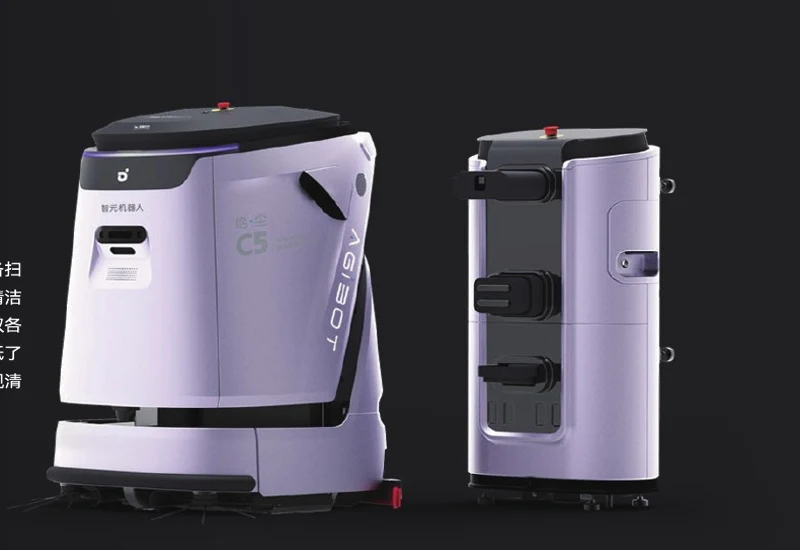
Commercial scrubber robot + zone and route configuration + maintenance training. Confirm automatic water handling, elevator integration and cross-zone dispatch against actual configuration and site conditions.
Assess cleaning quality, effective coverage, completion time and manual touch-ups for agreed soils and areas. Include refill and maintenance time in the work cycle.
Check door widths, floor level changes, slip conditions, water, power and drainage. The brochure maximum is not on-site effective productivity; measure it in trials.
These are solution concepts, not delivered case studies or standard-equipment commitments. Models are shortlisted from the brochure; functions, accessories, integration and services require project confirmation.
DEFINE / PILOT / DELIVER
Define the site, task frequency, current workflow, budget and owner.
Output: requirements and site constraintsConfirm versions, accessories, software licenses, integration scope and pricing.
Output: configuration and project scopeTest a representative route or workstation; record successes, failures and takeovers.
Output: pilot report and acceptance findingsAgree on training, spares, maintenance, incident response and expansion criteria.
Output: handover documents and service termsMEASURE WHAT MATTERS
Task success rate = successful completions / all test attempts. Record routes, payloads, conditions, failures and takeovers together. Both parties agree targets before the pilot.
Handover should cover configuration and licenses, test records, operator training and service scope, as defined in the signed project agreement.
No. Start with the task, site photos or a floor plan, usage frequency, region and schedule. We can then define the form factor and configuration together.
Beyond hardware, allow for sensors, accessories, software licenses, integration, shipping, deployment, training, consumables and maintenance. Configuration and services are quoted separately.
Assess the hardware version, API rights, network and site conditions. Navigation, recognition, knowledge bases, access control and work-order interfaces need explicit configuration and test items.
Agree on test count, conditions, success criteria and targets before comparing the pilot with your current process. Count every attempt and include takeover, charging and maintenance costs.
02 / ROBOTICS PORTFOLIO
Specifications and images are drawn from the supplied Zhiyuan Zhixing product brochure; product names follow the brochure. Runtime, payload and options depend on configuration and test conditions.
13 products
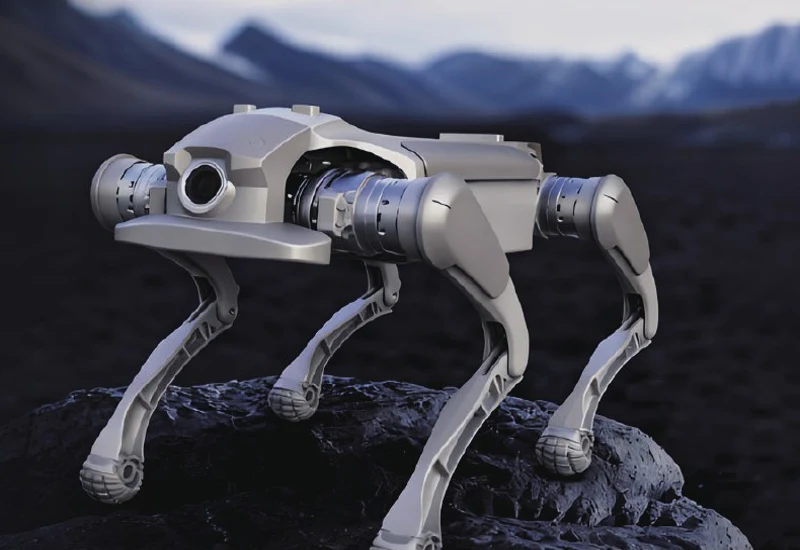
Robot dogs
Research / Inspection
Brochure p. 3
Robot dogs
Inspection / Transport
Brochure p. 4
Robot dogs
Inspection / Transport
Brochure p. 5
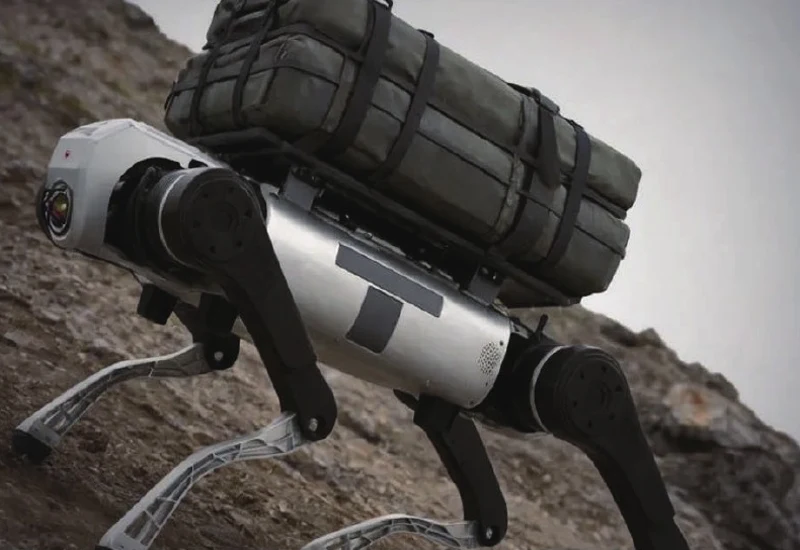
Robot dogs
Inspection / Transport
Brochure p. 6
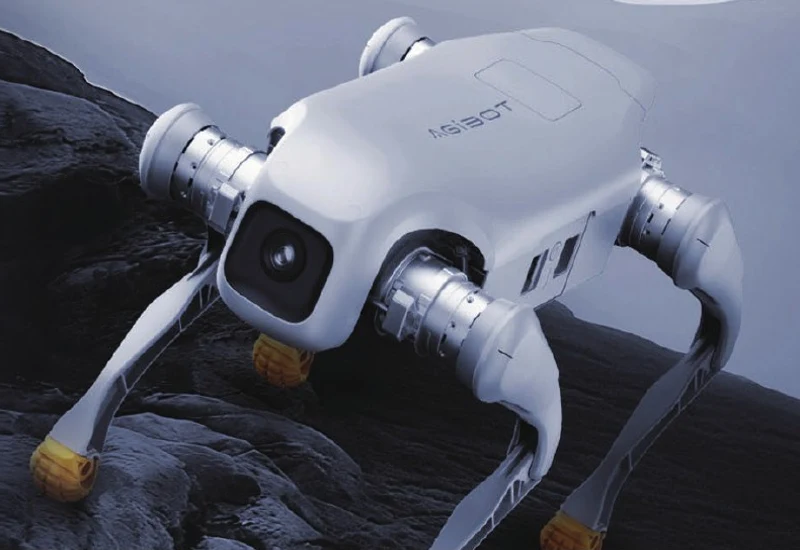
Robot dogs
Education / Events
Brochure p. 7
Humanoid robots
Education / Events
Brochure p. 8

Humanoid robots
Reception / Events
Brochure p. 9

Humanoid robots
Education / Events
Brochure p. 10
Humanoid robots
Reception / Events
Brochure p. 11
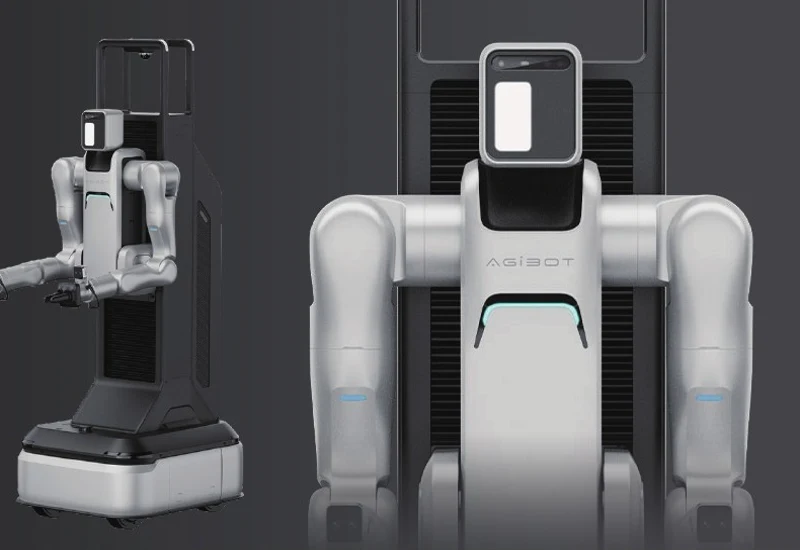
Task robots
Flexible manufacturing
Brochure p. 12
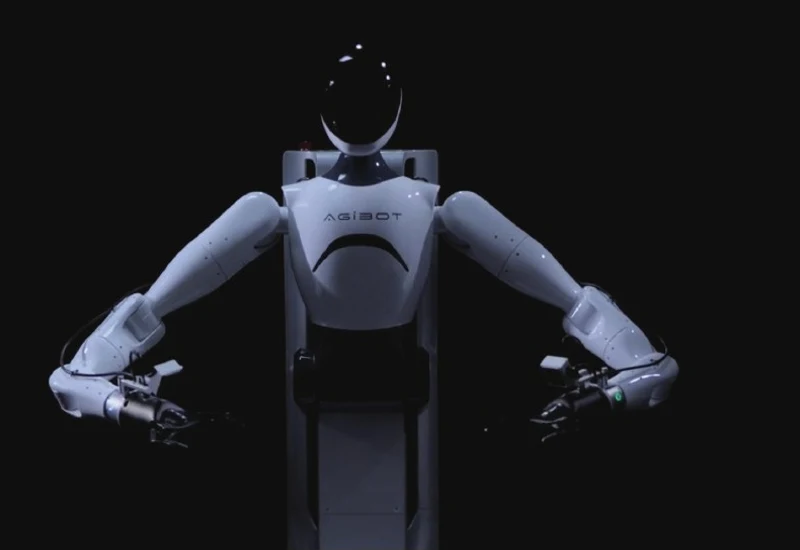
Task robots
Operations / Data collection
Brochure p. 13
Task robots
Flexible manufacturing
Brochure p. 14
Task robots
Commercial cleaning
Brochure p. 15
This catalog is for selection, not live inventory. Pricing, delivery, configuration, development interfaces and service scope are confirmed in the written proposal.
BUILD YOUR ROBOTICS BRIEF
YOUR ROBOTICS / BRIEF
Fill in your requirements to generate and copy a brief, or open a prepared email to contact us.
Talk by phone
19926595479 ↗SOLUTIONS / PROCUREMENT
CREATE / CONNECT / COMPUTE / EMBODY
Need model APIs or GPUs? Explore CHINZY developer and compute services.