CHINZY / ENGINEERING & DELIVERY
Robot dog inspection planning for campuses and factories
Assess the robot platform, sensor payload and ticket integration against inspection points, terrain and incident handling. Reaching a location is only one part of completing an inspection.
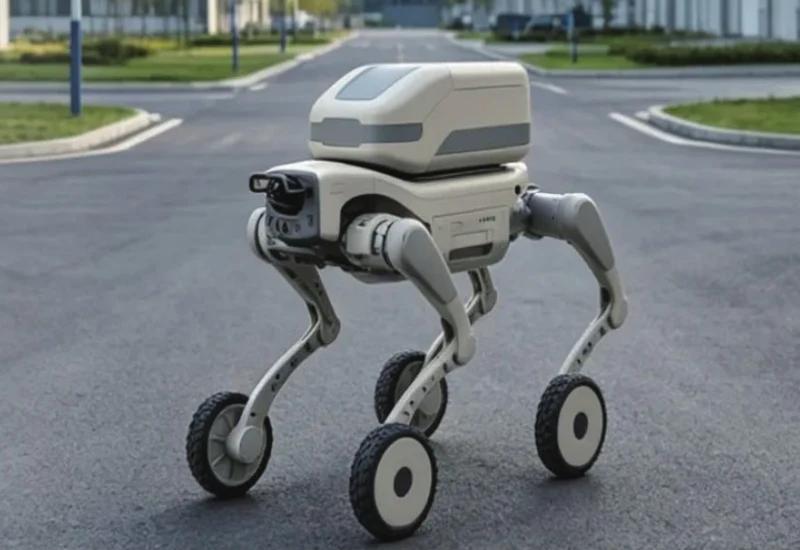
Published by CHINZY · Updated
For teams evaluating campus patrols, equipment checks or repeated inspection routes.
Survey the site and tasks
Record surfaces, step dimensions, slopes, access controls, lighting, network coverage and pedestrian traffic. Define the observation target, frequency, alert condition and response owner for each checkpoint.
Select the platform and payload together
Start with catalog options such as L2 or M1 and verify the exact version. Visible-light cameras, thermal imaging, gas detection and communication modules require individual confirmation; they are not automatically included.
- Validate runtime and mobility with the complete payload and its center of gravity.
- An IP rating does not replace explosion-protection certification or hazardous-site suitability checks.
- Confirm automatic charging, indoor/outdoor localization and access-control integration separately.
Connect alerts to an operational response
Agree on device identifiers, timestamps, locations, images and event types. Decide whether to integrate an existing platform or use a dedicated interface. Test duplicate alerts, outages, failed tickets and manual takeover.
Accept the full inspection workflow
Record route completion, missed and false detections, alert delivery and battery use under agreed payload, terrain and lighting. Document trial counts and conditions; agree on thresholds rather than treating brochure specifications as field results.
Questions before you start
Can a robot dog fully replace human inspection?
Evaluate task by task. Complex diagnosis, physical intervention and safety responsibilities still require people. First validate the routes and data collection tasks the robot can reliably cover.
How can we obtain a quote?
Provide the city, site photos, checkpoint count, payload needs and existing platform details. Request separate pricing for hardware, sensors, integration, on-site work and maintenance; confirm stock and lead time separately.
NEXT / YOUR PROJECT
Turn a task into a clear project brief.
Start with a remote requirements review. Site visits, embedded engineering, equipment demonstrations, training and support depend on location, staffing and resources and must be confirmed in the written scope.
Your next conversation
Describe one task first. We can discuss scope, materials and the appropriate next step.